

Why the US–Israel / Iran Conflict Is Hitting Your Pocket in SA
If you’ve noticed petrol, diesel, and everyday goods getting more expensive lately, you’re not imagining things. Even though the conflict between the US, Israel, and Iran is happening far from South Africa, it’s having a very real impact locally—especially for artisans, contractors, and anyone who depends on transport, machinery, or materials to earn a living.
This Conflict has Global effects
The main reason for this comes down to oil. Modern economies rely heavily on oil for fuel, transport, and production. When oil prices increase, the cost of running vehicles, moving goods, and manufacturing products all goes up. This eventually affects the price of almost everything we buy or use. Right now, oil prices are rising due to growing tensions in the Middle East, where a large portion of the world’s oil is produced.
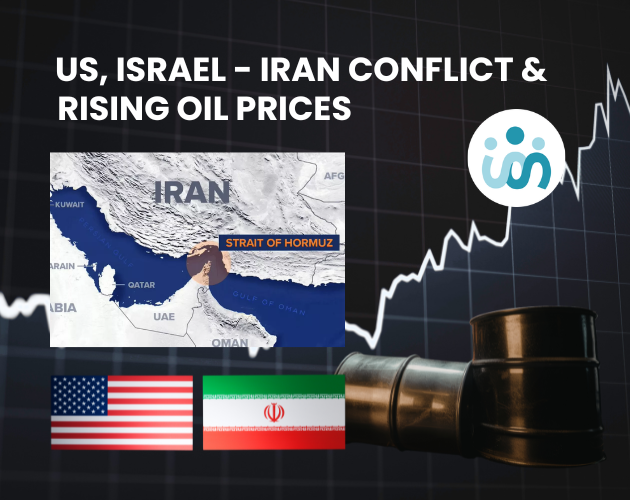
One of the most critical areas in this situation is the Strait of Hormuz, a narrow but extremely important shipping route between Iran and its neighbouring countries. A significant percentage of the world’s oil passes through this route every day. When there are threats, attacks, or even just uncertainty in this region, it creates panic in global markets. Recently, disruptions and concerns around the possible closure of this route have raised serious fears about oil supply shortages.
When supply is threatened or reduced, prices rise quickly. This is basic supply and demand—less oil available while demand stays the same leads to higher costs. Even though South Africa does not directly rely on oil from Iran, we still pay international market prices. So when global oil prices increase, we feel it immediately at the pump.
Food, Materials & Goods Also Get More Expensive
For South Africans, this means higher petrol and diesel prices. Since the country imports most of its fuel, any increase in global oil prices pushes local fuel costs up. For artisans, this has a direct impact on daily work. Travelling to job sites becomes more expensive, running equipment or generators costs more, and transporting tools or materials starts eating into profit margins.
The impact doesn’t stop at fuel. As transport costs rise, the price of goods follows. Trucks delivering materials run on diesel, ships bringing imports into the country become more expensive to operate, and factories face higher energy costs. Businesses then pass these increased expenses on to customers. This is why building materials, spare parts, food, and everyday goods all start becoming more expensive during times like this.
There is also pressure on the South African rand. During global uncertainty, investors often move their money to safer, more stable economies. This weakens currencies like the rand, which in turn makes importing fuel even more expensive. This adds another layer to rising fuel prices locally.
For artisans working in fields like mining, construction, and engineering, the effects are already being felt. Higher fuel costs, more expensive materials, and clients delaying projects due to rising expenses are becoming more common. It creates a challenging environment where managing costs and pricing work correctly becomes more important than ever.

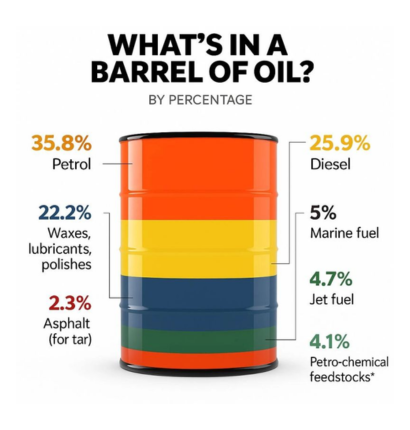
It’s Not Just Fuel – A Barrel of Oil Powers Almost Everything
Petrol and diesel make up a large portion, but oil is also used to create things like lubricants, waxes, and polishes, products that are essential for maintaining machinery, tools, and equipment. There’s also a portion that goes into jet fuel and marine fuel, which keeps global transport systems running. Even a smaller percentage is used for asphalt, which is critical for building and maintaining roads.
One of the most important parts, though, is something many people overlook: petrochemicals. These are used to manufacture plastics, packaging, synthetic materials, and countless everyday items, from cables and pipes to protective gear and components used in engineering and construction. What this means is simple: when oil prices go up, it’s not just your fuel costs that increase. The price of materials, parts, maintenance products, and even infrastructure-related work can rise as well. For artisans, this directly affects the cost of doing the job, from the tools you use to the materials you install or repair.
It’s a powerful reminder that oil isn’t just about what goes into your vehicle, it’s a key ingredient in the entire supply chain that keeps your work moving.
The Bottom Line
Oil prices are influenced by a mix of global factors, not just supply. News cycles and political tensions can quickly create uncertainty, while policy changes and official reports can shift market expectations overnight. At the same time, basic supply and consumer demand still play a major role. Together, these factors make oil prices highly sensitive, meaning even small global events can lead to noticeable increases in fuel and operating costs in South Africa.The reality is that even though this conflict is happening far away, its effects are felt right here at home. Increased fuel prices, rising costs of goods, and pressure on businesses are all part of the ripple effect. As long as uncertainty remains around key oil routes like the Strait of Hormuz, prices are likely to stay high or even increase further.
Understanding what’s happening globally can help South African artisans make better decisions locally. In times like these, staying informed isn’t just useful it’s essential for managing your income and staying ahead of rising costs.

But the Good News Is…
While the situation may sound worrying, it’s not all bad news. South Africa’s fuel supply itself remains stable for now, with government and industry players actively sourcing oil from alternative regions to keep the country running. This means that although prices are rising, we are not facing a complete fuel shortage. There’s also a positive side to the global situation. Higher commodity prices especially for resources like coal and iron ore, can actually benefit South Africa’s economy by bringing in more revenue and supporting certain industries. In sectors like mining and engineering, this can help sustain demand for skilled workers, even during uncertain times.
For artisans, this means opportunities don’t disappear, they simply shift. Companies may become more cautious with spending, but they still need experienced, reliable tradespeople to keep operations running efficiently and cost-effectively. In fact, during tough economic periods, skilled artisans become even more valuable because businesses rely on them to reduce downtime and control costs.
This is where Bilnor Staffing Solutions plays an important role. By connecting skilled artisans with mining, engineering, and industrial employers, Bilnor helps ensure that talent continues to move where it’s needed most. Whether roles are contract-based or long-term, staying active in the job market and being open to opportunities can make all the difference.
The key takeaway is simple: while global events may be out of our control, how we respond locally is not. Staying informed, adaptable, and connected to the right opportunities can help South African artisans not just survive, but continue to grow, even in challenging times.
 Chat to Us
